| Brand Name: | EVLINK |
| Model Number: | E-Series |
| MOQ: | 1 SET |
| Price: | $600 per set |
| Payment Terms: | T/T |
| Supply Ability: | 100 sets per 2 weeks |
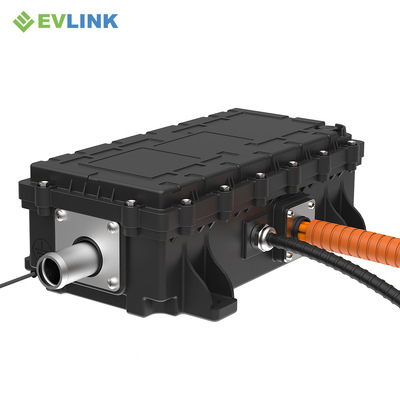
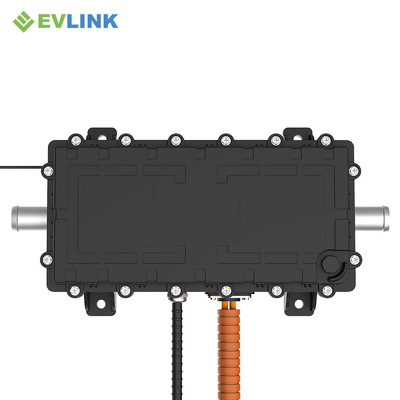
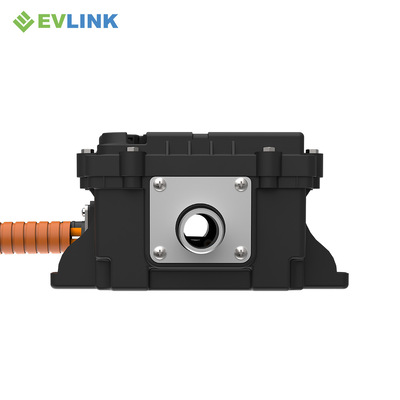
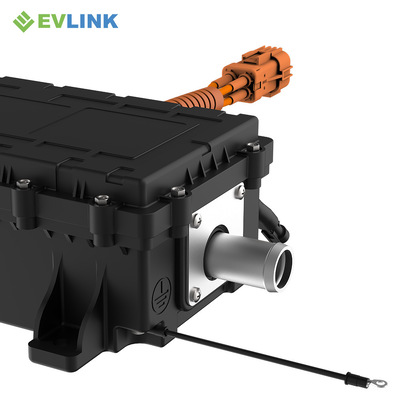
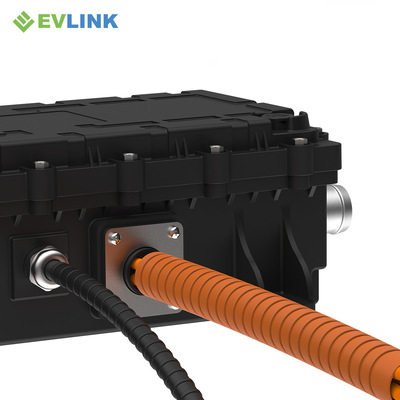
Combining high heating power with a compact, low-profile design, the E-Series is engineered to deliver efficient thermal management performance while minimizing installation space requirements. Its space-saving structure makes it particularly suitable for small commercial vehicles where mounting space is limited and component integration is a key design consideration. Designed to support vehicle heating demands without occupying excessive space, the E-Series offers greater flexibility for system layout and installation. It provides a practical thermal management solution for vehicle manufacturers seeking to balance heating performance, compact packaging and efficient use of available space.
|
|
|
| Insulation Resistance | ≥100 MΩ at DC 1000V, high-voltage section |
| High-Voltage Protection | Thermostat |
|
|
NO |
| Product Size | 370X192X98mm |
| Product Weight | 8.5kg |
Final specifications and protection thresholds should be confirmed according to the selected configuration and approved technical agreement.
The heater converts high-voltage electrical energy into thermal energy, heating the circulating coolant for battery thermal management, cabin heating, and other compatible coolant circuits.
Heating performance depends on the overall thermal system, including rated power, coolant flow rate, inlet temperature, pressure drop, and heat exchanger efficiency. Proper heater selection should be based on the vehicle’s operating conditions and system requirements.
![]()
The heater can warm coolant before it enters the battery thermal management circuit. This supports battery temperature control during low-temperature operation. Battery temperature limits, required heating rate, coolant flow and control strategy should be defined by the vehicle manufacturer.
For cabin heating, warmed coolant passes through a cabin heat exchanger to provide heat for the passenger compartment. Heating performance depends on both coolant circulation and airflow through the HVAC heat exchanger.
The 15–35kW range is intended for vehicle platforms with substantial heating demand. Suitability for a specific vehicle must be confirmed from its voltage platform, target heat output, available installation space and coolant-system design.
It uses electrical power from the vehicle’s high-voltage system to heat circulating coolant. The coolant can then transfer heat to the battery system, cabin heat exchanger or another approved thermal circuit.
No. It is intended for projects with relatively high heating demand. The correct configuration depends on operating voltage, required heat output, coolant conditions, installation space and control requirements.
It may support either application when the vehicle coolant architecture and control strategy allow it. Some vehicles use separate circuits, while others use valves or a shared thermal loop.
Please provide the vehicle type, operating-voltage range, required heating power, coolant type, expected flow rate, inlet-temperature range, installation space, connector requirements and CAN communication requirements.
Project-specific requirements can be evaluated after the installation drawing, packaging space and electrical interface are provided. The final configuration should be confirmed in the approved drawing and technical agreement.
Send us your voltage range, target heating power, coolant conditions, flow rate, installation drawing, control requirements and project quantity. EVLINK will review the information and recommend a suitable configuration for technical confirmation and quotation.