| Brand Name: | EVLINK |
| Model Number: | Q-Series |
| MOQ: | 1 SET |
| Price: | $1500 per set |
| Payment Terms: | T/T |
| Supply Ability: | 100 sets per 2 weeks |
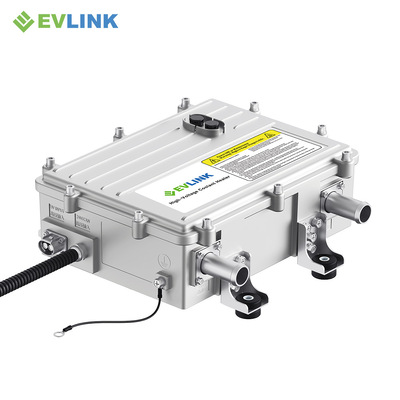
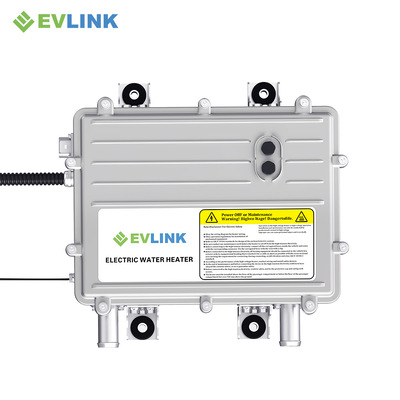
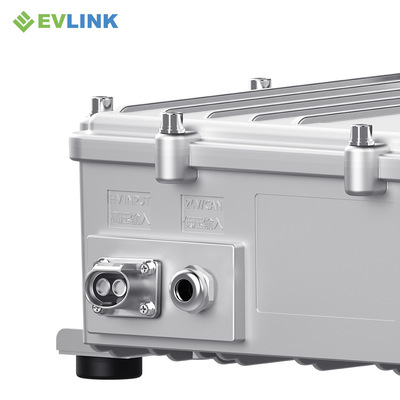
Optimize electric vehicle thermal management with a high-voltage PTC coolant heater designed for battery and cabin heating. Offering 15–35 kW power options and a 400–1100 V DC operating range, it heats circulating coolant to support thermal management in electric buses, commercial trucks, and construction vehicles. CAN communication and an enable signal support integration with vehicle control systems.
|
|
|
| Insulation Resistance | ≥100 MΩ at DC 1000V, high-voltage section |
| High-Voltage Protection | Overvoltage, undervoltage, overcurrent, short-circuit and overtemperature protection |
|
|
CAN communication, enable signal communication |
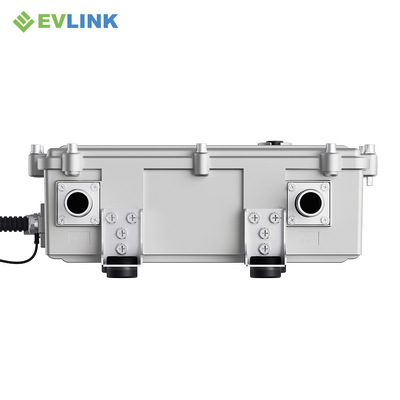
| Product Size | 346 × 268 × 123 mm |
| Product Weight | 12 kg |
Final specifications and protection thresholds should be confirmed according to the selected configuration and approved technical agreement.
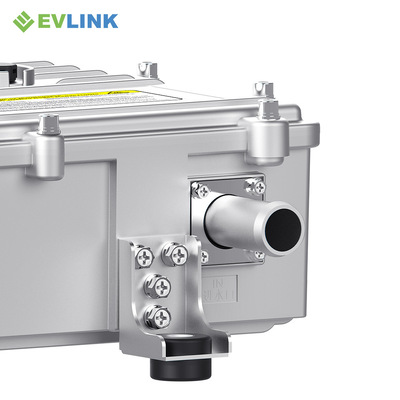
This high-voltage PTC water heater is developed for electric vehicles requiring an electrically powered coolant heating solution. It transfers heat to the coolant, which circulates through designated thermal circuits to provide battery temperature conditioning or cabin heating.
Designed for integration into vehicle-level electrical and thermal systems, the heater requires careful matching of supply voltage, heating capacity, coolant flow and installation conditions. These factors determine whether the selected configuration meets the application’s operating requirements.
Electrical connections, communication protocols, control signals and protection settings should be verified during system design to support reliable integration with the vehicle controller.
![]()
The heater can warm coolant before it enters the battery thermal management circuit. This supports battery temperature control during low-temperature operation. Battery temperature limits, required heating rate, coolant flow and control strategy should be defined by the vehicle manufacturer.
For electric buses, heavy-duty trucks and construction machinery, the heater can be integrated into vehicle coolant circuits designed for higher thermal loads. Selection requires verification of operating voltage, required heating capacity, installation conditions and system-level safety requirements.
It uses electrical power from the vehicle’s high-voltage system to heat circulating coolant. The coolant can then transfer heat to the battery system, cabin heat exchanger or another approved thermal circuit.
No. It is intended for projects with relatively high heating demand. The correct configuration depends on operating voltage, required heat output, coolant conditions, installation space and control requirements.
It may support either application when the vehicle coolant architecture and control strategy allow it. Some vehicles use separate circuits, while others use valves or a shared thermal loop.
Please provide the vehicle type, operating-voltage range, required heating power, coolant type, expected flow rate, inlet-temperature range, installation space, connector requirements and CAN communication requirements.
Project-specific requirements can be evaluated after the installation drawing, packaging space and electrical interface are provided. The final configuration should be confirmed in the approved drawing and technical agreement.
Send us your voltage range, target heating power, coolant conditions, flow rate, installation drawing, control requirements and project quantity. EVLINK will review the information and recommend a suitable configuration for technical confirmation and quotation.