| Brand Name: | EVLINK |
| Model Number: | Q-Series |
| MOQ: | 1 SET |
| Price: | $1200-1500 per set |
| Payment Terms: | T/T |
| Supply Ability: | 100 sets per 2 weeks |
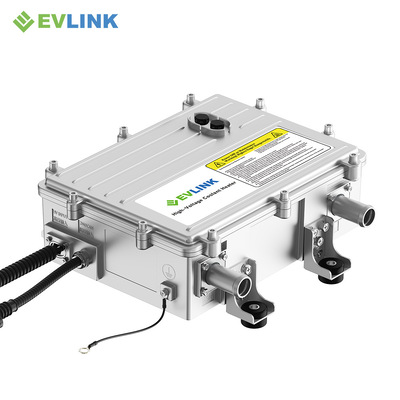
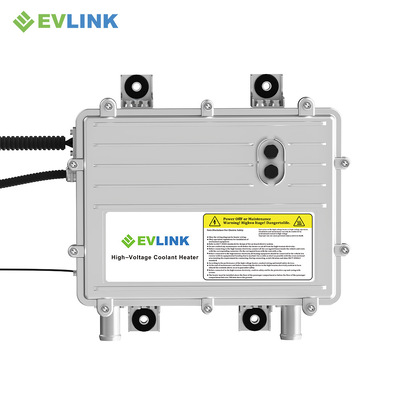
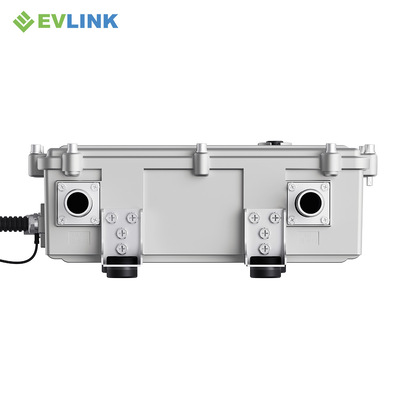
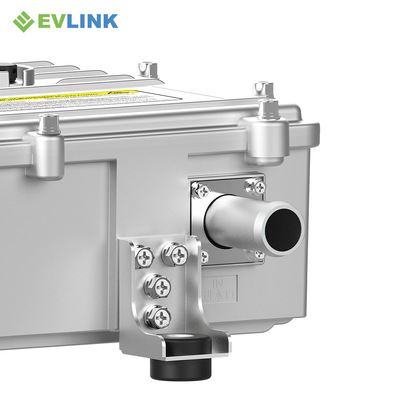
This 15–35 kW high-voltage PTC coolant heater is designed for circulating-coolant heating in electric vehicle thermal management systems. With a 400–1100 V DC operating range, CAN communication, and an enable-signal interface, it supports battery and cabin heating across multiple vehicle platforms. Correct configuration depends on system voltage, heating demand, coolant operating conditions, available installation space, and control requirements.
|
|
|
| Insulation Resistance | ≥100 MΩ at DC 1000V, high-voltage section |
| High-Voltage Protection | Overvoltage, undervoltage, overcurrent, short-circuit and overtemperature protection |
|
|
CAN communication, enable signal communication |
| Product Size | 346 × 268 × 123 mm |
| Product Weight | 12 kg |
Final specifications and protection thresholds should be confirmed according to the selected configuration and approved technical agreement.
The 15–35 kW high-voltage PTC coolant heater is developed for electric vehicles requiring substantial thermal output and reliable integration with liquid-based heating systems. Operating within a 400–1100 V DC voltage range, the heater converts electrical energy into thermal energy and transfers it to the circulating coolant for use in compatible vehicle heating circuits.
Designed for high-demand thermal management applications, this heater supports integration with battery conditioning systems, coolant-based cabin heating and other approved vehicle thermal circuits. CAN communication and an enable-signal interface facilitate coordination with the vehicle control system, subject to the selected configuration.
Its suitability for a specific vehicle depends on the electrical architecture, required heating capacity, coolant characteristics, thermal load and available installation space.
![]()
It uses electrical power from the vehicle’s high-voltage system to heat circulating coolant. The coolant can then transfer heat to the battery system, cabin heat exchanger or another approved thermal circuit.
No. It is intended for projects with relatively high heating demand. The correct configuration depends on operating voltage, required heat output, coolant conditions, installation space and control requirements.
It may support either application when the vehicle coolant architecture and control strategy allow it. Some vehicles use separate circuits, while others use valves or a shared thermal loop.
Please provide the vehicle type, operating-voltage range, required heating power, coolant type, expected flow rate, inlet-temperature range, installation space, connector requirements and CAN communication requirements.
Project-specific requirements can be evaluated after the installation drawing, packaging space and electrical interface are provided. The final configuration should be confirmed in the approved drawing and technical agreement.
Send us your voltage range, target heating power, coolant conditions, flow rate, installation drawing, control requirements and project quantity. EVLINK will review the information and recommend a suitable configuration for technical confirmation and quotation.